
Our review of the key tax changes, business costs and planning considerations following the Autumn Budget.
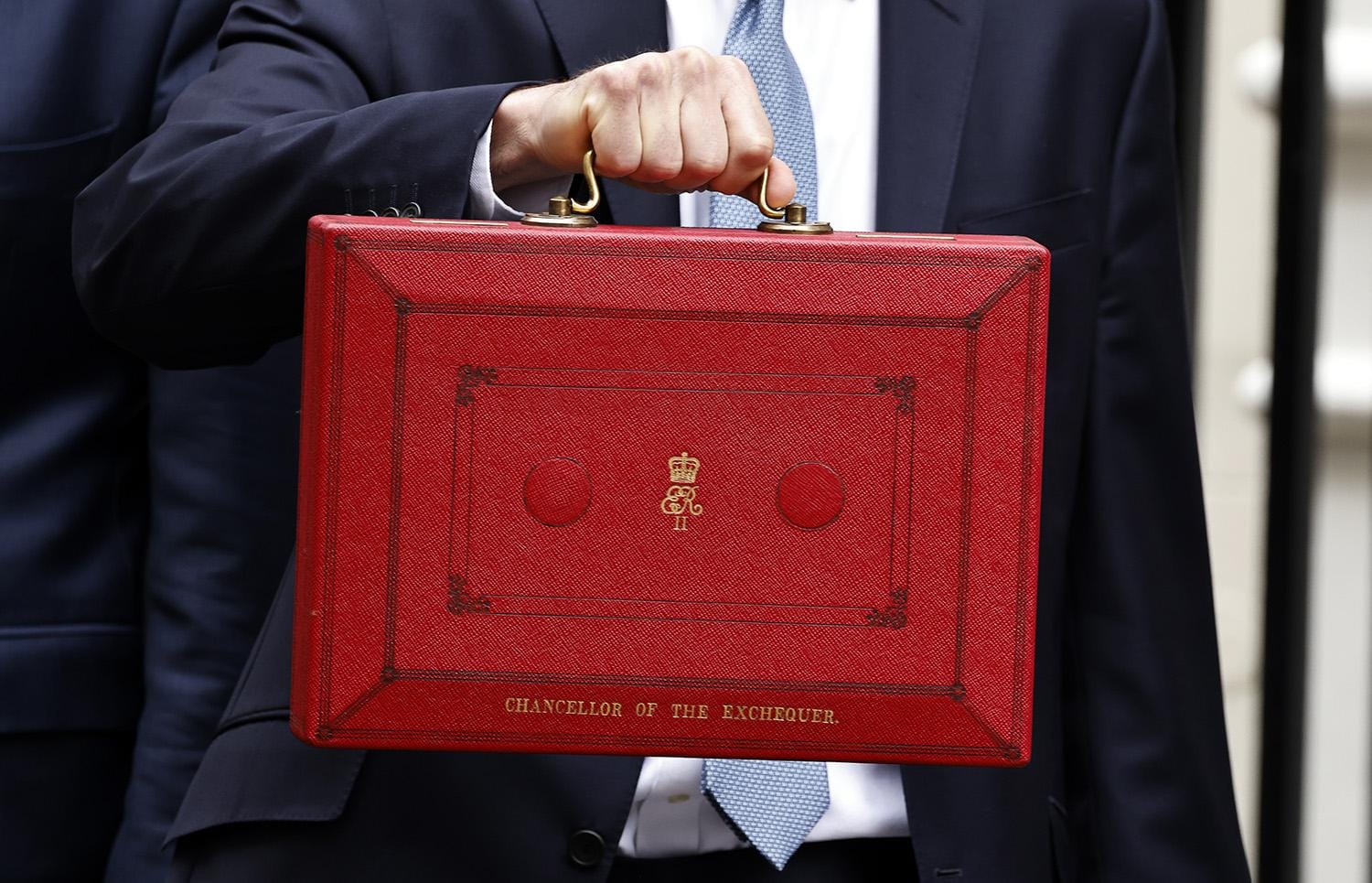
The Chancellor has delivered Budget 2026, announcing measures intended to provide some relief from rising costs while encouraging investment and business growth.
There are some welcome changes, particularly for businesses in retail, hospitality and leisure, alongside new incentives aimed at founders and growing companies.
However, having reviewed the Budget, our assessment is that there is relatively little which materially improves the position of many established owner-managed businesses.
Some of the more prominent announcements have fairly specific beneficiaries, while changes to Business Asset Disposal Relief and employment costs will have wider implications.
Below, we consider the announcements most relevant to SMEs and the planning points business owners should be aware of.
Selling a business: changes to Capital Gains Tax reliefs
One of the more significant announcements for company owners concerns Business Asset Disposal Relief (BADR).
From 6 April 2027, the lifetime limit for qualifying gains will reduce from £1 million to £500,000.
BADR currently provides a reduced Capital Gains Tax rate of 18% on qualifying disposals, subject to meeting the relevant conditions.
For someone selling a successful business, the reduction could be material.
As an illustration, consider an owner disposing of their company and realising a qualifying gain of £1 million.
Under the existing £1 million limit, the CGT liability would be £180,000, assuming the entire gain qualifies for BADR.
Following the reduction, only £500,000 would attract BADR. Assuming the remaining gain is taxed at the standard 24% rate, the total CGT liability would increase to £210,000.
That’s an additional £30,000 of tax, based on those assumptions.
The actual position will depend on the shareholder’s circumstances, previous BADR claims and the applicable legislation.
What about the new Founders’ Relief?
Alongside the reduction in BADR, the Chancellor announced a new Founders’ Relief, offering a 10% Capital Gains Tax rate on lifetime gains of up to £10 million for eligible founders and significant early investors.
The accompanying technical consultation provides considerably more detail on who may qualify.
Under the proposals, an individual would generally need to have held at least 25% of the company’s ordinary share capital from the commencement of trading and retained their shares for at least five tax years.
The company would also need turnover of at least £10 million and at least 15 qualifying full-time-equivalent employees in the relevant period before disposal.
In addition, it would need to satisfy at least two of three tests relating to substantial turnover growth, employee growth or qualifying R&D expenditure.
HMRC estimates that approximately 600 individuals across 400 companies annually will benefit from the relief.
These conditions remain subject to consultation and may change before legislation is finalised.
Our assessment: The proposed Founders’ Relief could be extremely valuable for those who qualify, but it is clearly aimed at a relatively narrow group of high-growth businesses. We expect the majority of established owner-managed companies to fall outside its scope.
By contrast, the reduction in BADR is a confirmed policy decision with a clear commencement date.
For anyone already contemplating a company sale, retirement or succession, it would be sensible to review their plans ahead of April 2027.
Capital allowances: will SMEs see much benefit?
The Chancellor announced an increase in the main-rate first-year capital allowance from 40% to 50% for qualifying expenditure incurred from 1 January 2027.
At the same time, the main writing-down allowance will reduce from 14% to 12% from April 2027.
Although the increased first-year allowance sounds positive, we expect it to have limited relevance for many smaller trading companies.
The £1 million Annual Investment Allowance (AIA) remains available, alongside full expensing for eligible company expenditure.
These existing reliefs already allow many SMEs to deduct the full cost of qualifying equipment purchases when calculating taxable profits.
For example, a company purchasing £100,000 of qualifying machinery may already obtain a full £100,000 deduction through AIA.
In that scenario, increasing another first-year allowance from 40% to 50% provides no additional benefit.
The changes will be more relevant to businesses incurring expenditure that does not qualify for those existing full-relief provisions.
There is also a distinction between receiving tax relief earlier and obtaining more relief overall. The reduction in the writing-down allowance means relief on expenditure remaining in the main pool will be spread over a longer period.
We would therefore be cautious about changing the timing of an investment purely because of the Budget.
For most business owners, the commercial return, available cash and funding requirements remain the more significant considerations.
Business rates: welcome support for parts of the high street
Business rates are an area where the Budget offers more tangible support to smaller businesses.
From April 2027, the Small Business Rate Relief thresholds will increase for qualifying retail, hospitality and leisure properties in England.
The changes are:
- 100% relief: The rateable value threshold increases from £12,000 to £18,000.
- Tapered relief: The upper threshold increases from £15,000 to £21,000.
For example, a qualifying restaurant with a rateable value of £16,000 could become eligible for full relief under the revised thresholds, provided the other conditions are met.
The Government estimates that approximately 70,000 additional high-street businesses will no longer pay business rates.
There will also be a two-year real-terms freeze on business rates bills for qualifying retail, hospitality and leisure properties during 2027/28 and 2028/29.
Pubs, social clubs and most live music venues will receive an additional 20% relief from April 2027, bringing total relief to 35%.
These measures could represent meaningful savings for businesses already managing substantial premises and employment costs.
However, the new thresholds are sector-specific. They do not represent a general increase in Small Business Rate Relief for every commercial property.
Businesses should review their property’s rateable value and the applicable eligibility conditions before assuming they will receive additional relief.
Employment costs: planning for April 2027
The National Living Wage will increase by 3.9% to £13.21 per hour from 1 April 2027.
The National Minimum Wage for employees aged 18–20 will increase to £11.27 per hour.
For employers with larger workforces, particularly in hospitality, retail and other labour-intensive sectors, the additional cost could be significant.
Consider a business employing ten people on the National Living Wage, each working 35 hours per week.
The increase would add approximately £9,100 to annual basic payroll costs, before the associated employer National Insurance and pension contributions.
There may also be pressure to maintain pay differentials for supervisors and other experienced employees.
Businesses with a high proportion of employees paid at or close to the minimum wage should incorporate the changes into their payroll budgets and cashflow forecasts now.
This is particularly important where margins are already under pressure or prices cannot easily be increased to recover additional costs.
Other tax changes worth knowing about
The Budget also includes several measures relevant to business owners and growing companies.
Personal savings and property income
From 6 April 2027, the income tax rates applying to savings and property income will increase to 24%, 44% and 49% across the relevant tax bands.
These rates reflect increases announced at both the 2025 and 2026 Budgets.
There are no further changes to dividend income tax rates in this Budget, while the annual cash ISA subscription limit will remain at £20,000.
For company owners with personal savings or rental properties, the changes may warrant reviewing their wider personal tax position.
Employee share schemes
The Government is expanding the Company Share Option Plan (CSOP), which will be renamed EMI2 from April 2027.
The individual tax-advantaged option limit will increase from £60,000 to £120,000, alongside other changes intended to provide greater flexibility.
There are also separate improvements to the existing Enterprise Management Incentives scheme.
These changes may be useful to companies looking to attract and retain key employees through share ownership, although they are unlikely to affect most smaller businesses.
Company distributions
The Government intends to reform the taxation of company distributions from April 2028, with draft legislation expected for consultation in 2027.
The proposals aim to address inconsistencies in the taxation of company profits extracted through different arrangements.
Importantly, the Budget indicates that genuine changes in company ownership, including family business successions, should continue to receive capital treatment.
This is an area to monitor, particularly for businesses considering restructuring, succession or eventual disposal.
What should business owners consider doing following Budget 2026?
The Budget contains several measures with future commencement dates. There is no need for every business to undertake an immediate review of its tax affairs.
However, we would highlight four areas where some practical planning may be worthwhile.
Considering selling your company?
The reduction in the BADR lifetime limit from April 2027 could affect the tax payable on a future disposal. If you are already considering selling, retiring or transferring ownership, the timing and structure of the transaction deserve attention.
Employing a significant number of staff?
Review your payroll budgets for April 2027, particularly if you employ people at or close to the National Living Wage. Consider the additional employment costs alongside pricing, margins and cashflow.
Paying business rates on retail, hospitality or leisure premises?
Check your rateable value against the revised thresholds and establish whether your premises qualify for additional relief. The changes could result in meaningful savings for some businesses.
Planning substantial equipment purchases?
Review the capital allowances available before changing the timing of an investment. Many SMEs already obtain full relief on qualifying expenditure, meaning the announced changes may have little practical effect.
Our assessment
The Budget includes some welcome measures, particularly the targeted support for high-street businesses and changes intended to help qualifying start-ups and growth companies.
For the typical established owner-managed company, however, the benefits appear relatively modest.
The increased first-year allowance will not materially affect businesses already obtaining full tax relief on qualifying investments. The expanded employee share schemes serve a fairly specific market, and the proposed eligibility conditions for the new Founders’ Relief confirm that it is aimed at a relatively small population of high-growth companies.
Meanwhile, the reduction in BADR and increases in employment costs present more identifiable challenges.
We would have liked to see more direct support for established SMEs already investing, employing people and contributing to their local economies.
Nevertheless, the effect of the Budget will vary considerably between businesses, and there are some worthwhile planning considerations.
How Grasp can help
At Grasp, we work with owner-managed businesses on their accounting, tax and financial planning, including the implications of significant commercial decisions.
If you are considering a business sale, restructuring, investment or other important transaction, we can help you assess the financial and tax implications before committing.
Get in touch with the Grasp team if you would like to discuss how the Budget may affect your business.
This article is based on HM Treasury’s Budget 2026, published on 28 October 2026. Certain measures, including the proposed Founders’ Relief, remain subject to consultation and legislation. The information is general in nature and does not constitute advice on individual circumstances.